Los Angeles & OC · 5 min read
Mobile Car Wash In Los Angeles: Why It Beats The Drive-Through
Why LA and OC drivers book a mobile wash instead of the drive-through: paint preservation, the time math of LA traffic, and what to expect from a mobile service.
The Rabbit Wash Team · Published May 20, 2026 · Updated Sep 21, 2026
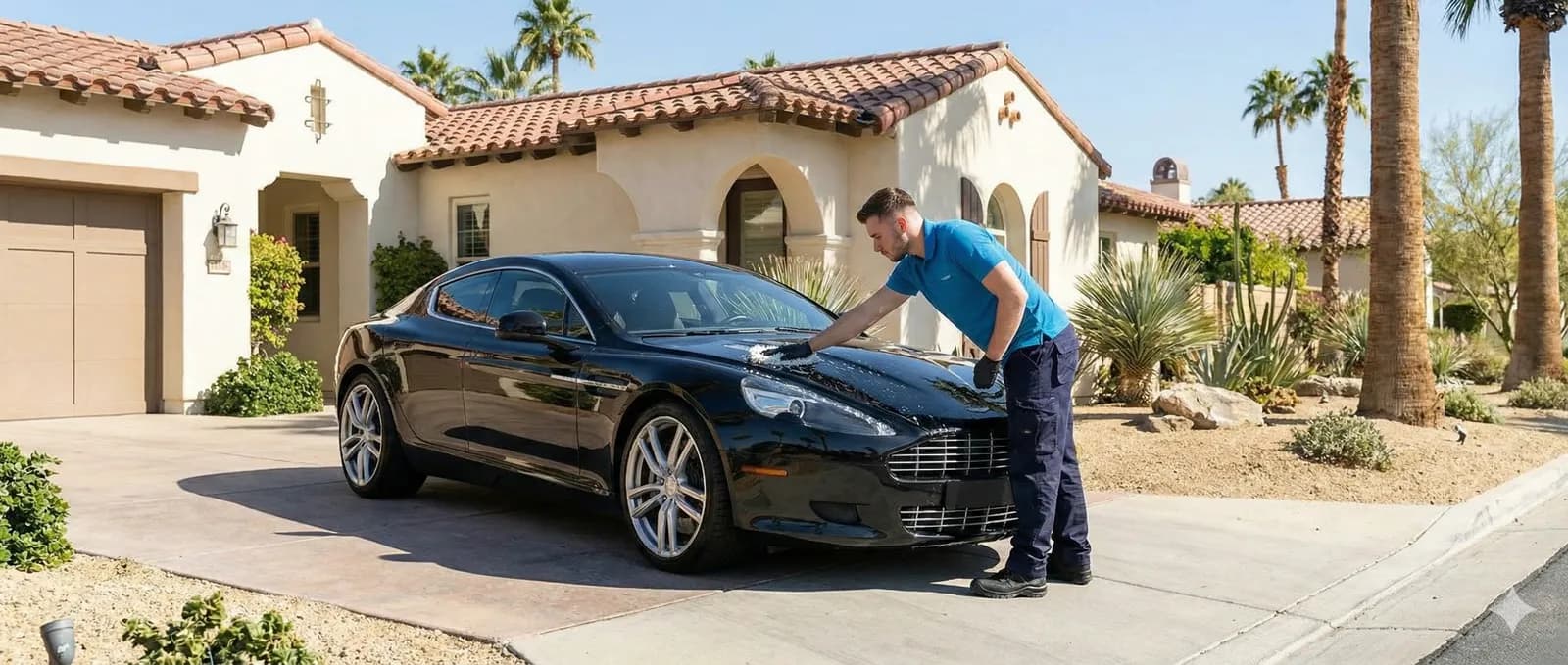
A car in Los Angeles works hard: sun, marine layer, freeway grime and street parking. Booking a mobile wash instead of heading to the drive-through comes down to three things: paint, time and the simple convenience of not driving anywhere. Here's the honest breakdown.
The Paint Story
Brush and cloth tunnel washes have one fundamental problem: their cleaning surface is shared across every car that goes through. Whatever fell off the car in front of you — beach sand, brake dust — ends up on the brush that touches your hood next, dragged across your clear coat.
The result is the swirl-mark pattern you see on many older cars in LA: fine circular scratches that catch direct sun and dull the finish. Polishing can correct it, but each round of paint correction removes a little clear coat.
A careful mobile hand wash with clean microfiber and the two-bucket method avoids that cross-contamination.
The Time Math Of LA
A drive-through wash means the drive to the wash, the line at peak times, the wash, drying and paying, and the drive back — often the better part of an hour, plus traffic.
With The Rabbit Wash, a Rabbit comes to your driveway, garage or office lot and does the work while you get on with your day. Your part is booking online and being around for the handover at the end.
The Price Story
Per visit, a mobile wash costs more than a tunnel wash. An honest comparison also counts gas and time to get to the wash, the upsell at the pay station, and the paint correction that brush washes eventually call for.
If you wash on a schedule, a Rabbit Wash monthly plan lowers the price of your wash package on every visit after the first. The packages page shows current prices, and checkout shows the monthly price before you agree to it.
Where The Rabbit Wash Works
The Rabbit Wash serves 30 cities and neighborhoods across Los Angeles and Orange County, starting with the South Bay:
- South Bay: Torrance, Redondo Beach, Hermosa Beach, Manhattan Beach, El Segundo, the Palos Verdes Peninsula, Lomita, Gardena, Carson, San Pedro and Harbor City
- West Los Angeles: Santa Monica, Beverly Hills, West Hollywood, Brentwood, Venice, Marina del Rey, Culver City
- Greater Los Angeles: Los Angeles, Downtown LA, Koreatown, Pasadena, Glendale, Long Beach
- San Fernando Valley: Sherman Oaks, Studio City, Burbank
- Orange County: Newport Beach, Irvine
See ZIP codes and local notes for each on Service areas. If your address isn't in one of them, message us before you book.
What To Expect From A Mobile Wash
If you've never booked one, here's the actual flow:
- You book online in four steps: your vehicle, a package, a time and place, then pay.
- Your Rabbit arrives within 30 minutes either side of your time with water, power and products. No hookup needed.
- They work in your driveway, garage or parking spot, and take before-and-after photos.
- You get on with whatever you were doing and follow the job's status in your account.
- At the end, you inspect the work and sign off. If anything's wrong, report it from your booking — signing never waives that.
The biggest shift for new customers is realizing how much of the car wash experience is friction. Mobile removes most of it.
When A Tunnel Wash Still Makes Sense
A drive-through is the right call when:
- You just need to rinse off coastal salt or dust before a freeway drive, and you're passing one anyway.
- You're between proper washes and want a quick cosmetic refresh.
- You need it done right now and no mobile window is open.
For routine care, paint health and your time, mobile is the better default.
Summer In LA
Summer punishes paint. A dark hood in direct sun gets hot enough that water dries before it can be wiped off, leaving spots. Washing in the shade or in the cooler hours of the day avoids that, so in summer, pick an earlier arrival window or tell your Rabbit about shade or garage space in your booking notes.
The Takeaway
The move from drive-through to mobile in LA comes down to paint, time and convenience. If you've never tried a proper mobile service, the easiest way to see the difference is to book one and compare the result.
You can book your first wash or see every package.
Frequently Asked Questions
How much does mobile detailing cost in LA compared to a regular car wash?
Per visit, a mobile wash costs more than a tunnel wash. Counting gas, time and the upsells at chain washes narrows the gap, and a monthly plan lowers the price of every visit after the first. The Rabbit Wash's current prices are on its Packages page.
Does a mobile car wash work in apartment buildings?
Often, yes. Rabbits bring their own water and power, so no hookup is needed. Some buildings and HOAs require permission first, so check with property management before booking.
How long does a mobile car wash take?
It depends on the package: an everyday hand wash is the quickest, a full detail takes longer, and paint protection can take most of a day. Each Rabbit Wash package shows its estimated duration before you book, and your Rabbit arrives within 30 minutes either side of your time.
Related Articles
Car Care
Best Time Of Day To Wash Your Car In Southern California
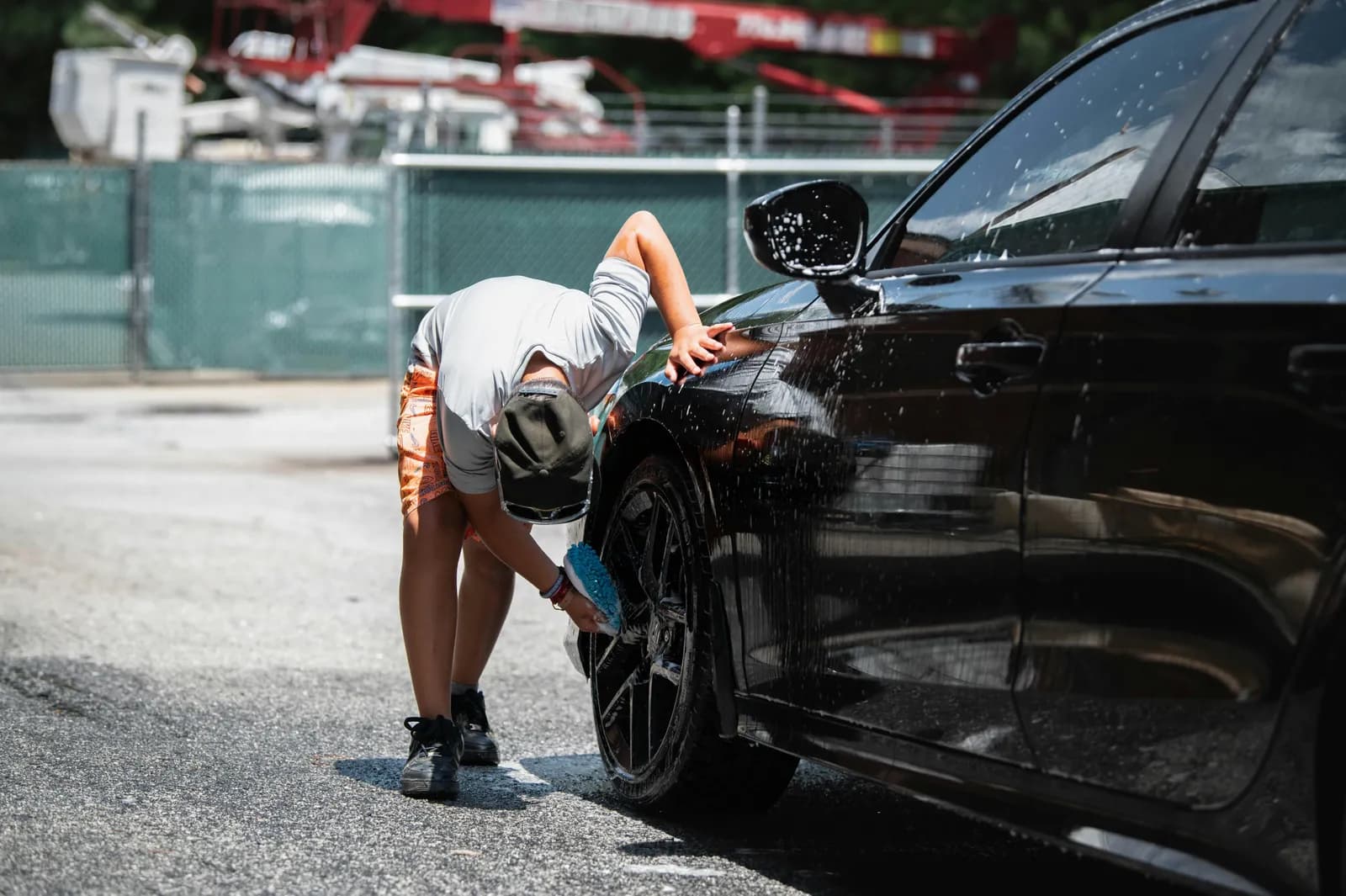
Early morning (6–9 AM) is the best time to wash your car in Southern California. Cool surface temps prevent water spots, low UV protects soap chemistry, and your wax cures properly. Avoid washing between 11 AM and 4 PM during summer.
May 24, 2026 · 5 min read
Car Care
How Much Does Mobile Car Detailing Cost In Los Angeles?
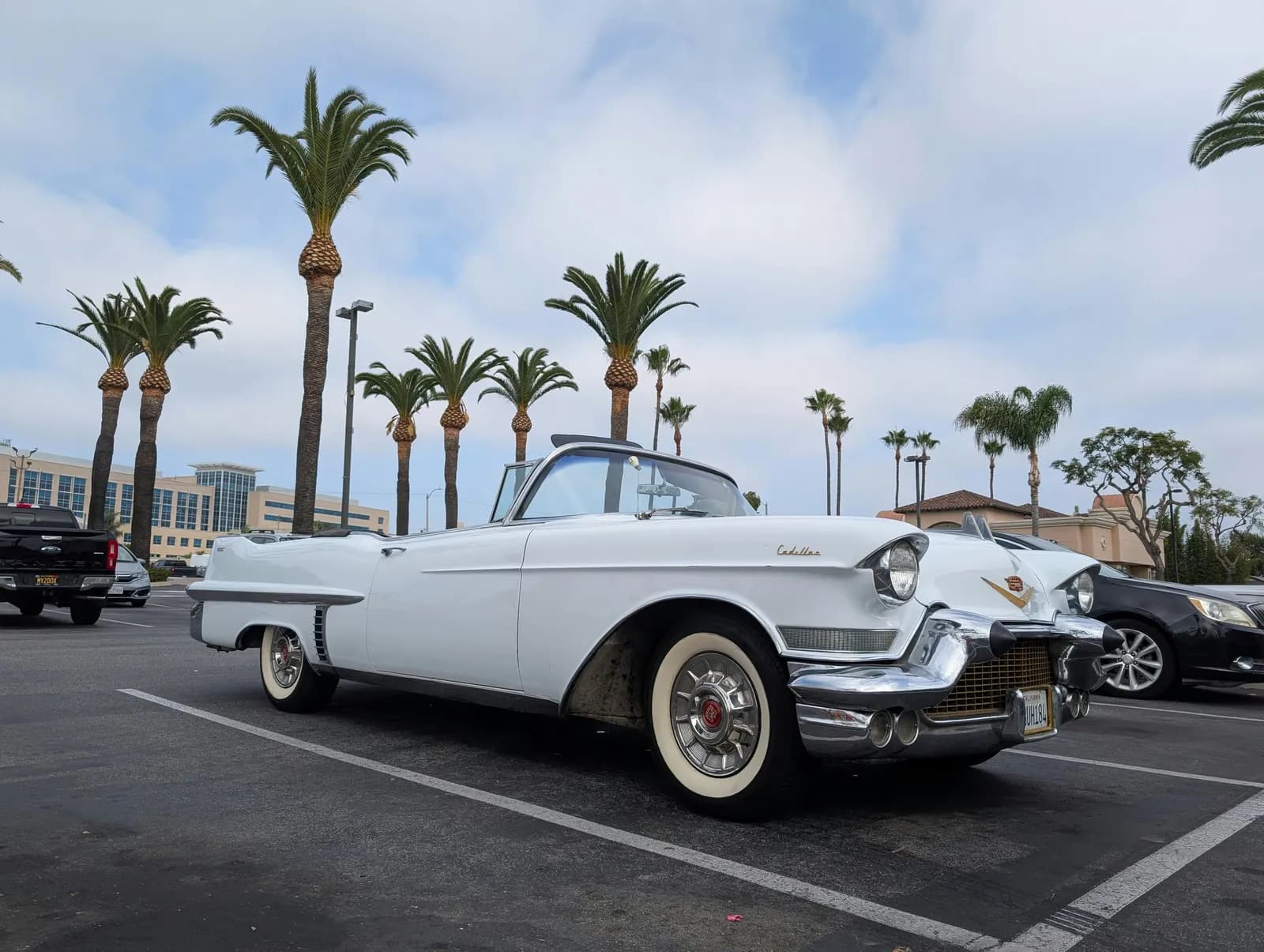
What sets the price of a mobile car wash or detail in Los Angeles: the package, your vehicle's size, the extras you add, travel and cancellation terms, and whether you book once or monthly. The Rabbit Wash's current prices are on its packages page.
May 24, 2026 · 4 min read
Compare & Decide
How To Choose A Mobile Detailer In Los Angeles (7 Things To Check)
The best mobile detailer in Los Angeles is the one that is insured, uses paint-safe products, brings their own water, has clear pricing, and shows real before/after photos. Here are the seven things to verify before booking anyone.
May 24, 2026 · 5 min read