Car Care · 6 min read
How Often Should You Wash Your Car? A Pro Detailer’s Guide
A clear, data-backed answer to how often you should wash your car — based on climate, driving habits, paint type, and the costly mistakes most owners make.
The Rabbit Wash Team · Published May 11, 2026 · Updated Sep 21, 2026
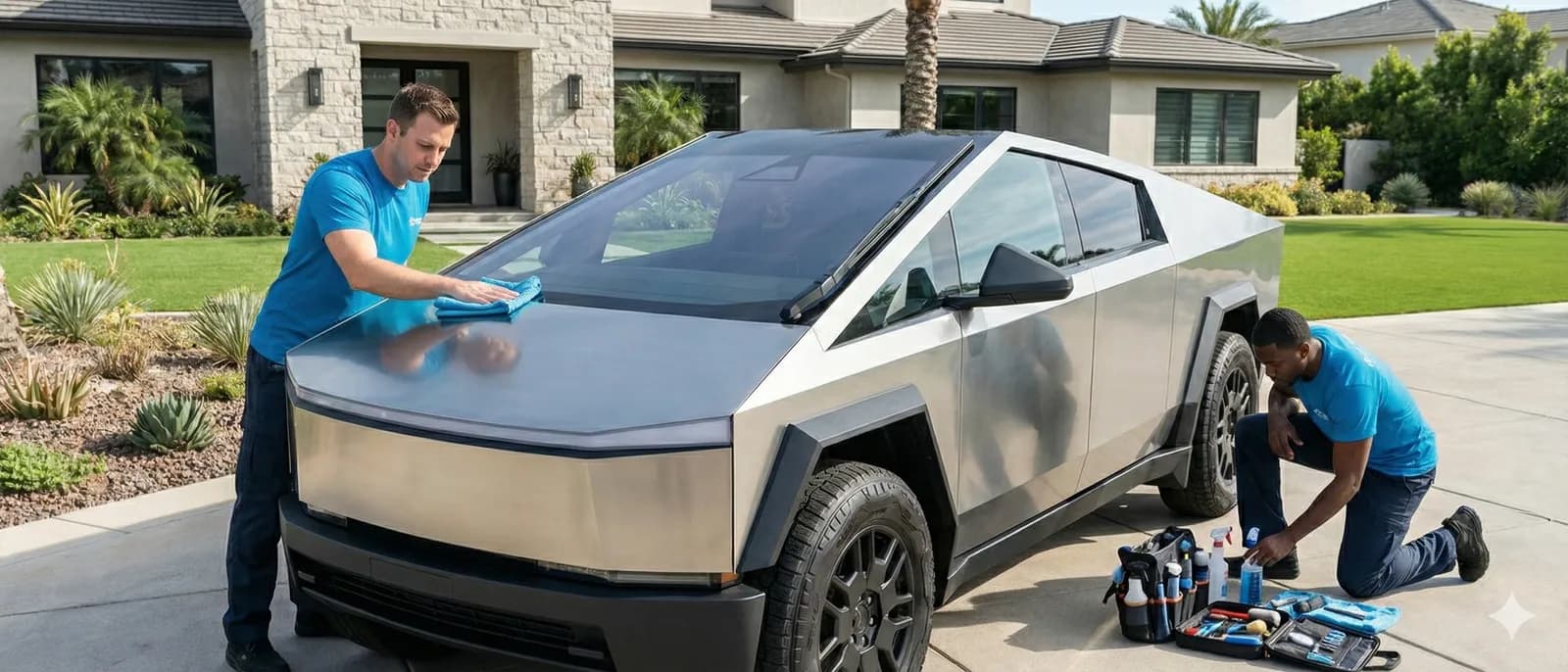
If you only remember one number from this guide, make it this one: every two weeks. That is the sweet spot most professional detailers recommend for a daily driver in a moderate climate, kept on paved roads. But that number shifts a lot depending on where you live, how you drive, and the kind of paint or coating you’re protecting.
Across Los Angeles and Orange County, the conditions — coastal salt air, summer pollen, sap from jacaranda and pepper trees, brake dust from freeway traffic — make a standard "wash when it looks dirty" rule expensive in the long run. This guide tells you exactly how often to wash, why, and how to skip the routine without damaging your paint.
The Two-Week Rule, And When To Break It
For an average commuter, every 10 to 14 days is enough to keep contaminants from bonding to the clear coat. That cadence matches how long it takes for road grime, brake dust, and atmospheric fallout to chemically etch automotive paint when left alone.
You should wash more often if any of these apply:
- You park outdoors under trees (sap, bird droppings, pollen — all acidic).
- You live within 10 miles of the coast (salt-laden air is corrosive).
- You drive on freeways daily (brake dust embeds into clear coat under heat).
- It rained recently (rain in urban areas is mildly acidic and carries pollutants).
- You have a darker color (black, navy, deep red) — water spots and swirl marks show up faster.
You can stretch the interval if your car lives in a covered garage, is driven only on weekends, and has an active ceramic coating or fresh paint sealant.
What "Wash" Actually Means
This is where most owners go wrong. Running through a tunnel wash twice a month is not the same as a proper hand wash twice a month. Automatic brush washes inflict tens of thousands of fine scratches on clear coat over a vehicle’s life — visible as that hazy "swirl marks" pattern under direct sun.
A correct wash routine looks like this:
- Pre-rinse with low-pressure water to lift loose grit.
- Foam pre-soak to chemically break surface tension.
- Two-bucket hand wash with a clean lambswool or microfiber mitt.
- Wheel and tire cleaning with dedicated, low-pH products.
- Final rinse and controlled drying with a plush microfiber.
This is the baseline that preserves your paint and resale value. The Rabbit Wash's everyday Wash Rabbit is a hand wash done where the car is parked; each package shows its estimated duration before you book.
Adjust For Climate And Season
Spring
Pollen season. Pollen is acidic when it gets wet — the dew + pollen combo on your hood at 6 AM is one of the most common causes of dull paint in Southern California. Increase to weekly washes in March through May.
Summer
UV is the real enemy. Wash every 10 days, but more importantly, top up protection (spray sealant, ceramic spray, or a wax) every 4–6 weeks. Park in shade when possible. Never wash a hot panel — water spots etch into paint at temperatures above 110°F surface temp.
Fall
Tree sap and bird droppings season. Both are acidic and bond fast. Spot-clean within 24 hours, then maintain your normal 10–14 day rhythm. Sap that sits more than 48 hours often requires a clay bar treatment to remove without polishing.
Winter
In coastal California, "winter" mainly means storm runoff and tar from freshly oiled roads. Wash every 7–10 days during the rainy season. If you ever take the car to higher elevations where roads are salted, rinse the underbody as soon as you’re back below the snow line.
How Driving Habits Change Everything
A car parked in a garage at LAX and driven once a week for groceries can easily stretch to a wash every 3 weeks. A rideshare driver pulling 200 freeway miles a day cannot. Brake dust accumulates fastest behind the front wheels, and the heat from heavy stop-and-go traffic accelerates how quickly that dust embeds.
If you commute 50+ miles daily, plan for a hand wash every 10 days and an interior touch-up between full details. If you wash on a schedule, a monthly plan lowers the price of every visit after the first; see the packages page.
Ceramic Coating Changes The Math
If your vehicle has a professional ceramic coating, the wash math changes. Coatings make the surface hydrophobic, so dirt rinses off with far less mechanical agitation. You can:
- Extend hand washes to every 3 weeks.
- Skip the wax / sealant step entirely (the coating is your protection).
- Use pH-neutral shampoo only. Anything acidic or alkaline degrades the coating.
Read more in our guide to Ceramic Coating vs Wax vs Sealant.
What About Waterless Washes Between Proper Washes?
A spray-and-wipe waterless product is fine for dust-only refreshes between full washes. It is not a replacement for a real wash and should never be used on a car coated in road grit — you’ll grind that grit into your clear coat. Use it for light dust on a garaged car, never for a freeway-driven daily.
The Interior Is On Its Own Schedule
Most owners over-wash the exterior and under-clean the interior. A standard interior vacuum + wipe-down should happen every 2–3 weeks. A deeper interior detail (steam, leather conditioning, carpet shampoo) should happen every 3–4 months — more often if you have kids, pets, or eat in the car. The Detail Rabbit package covers that deeper clean.
Cost Of Skipping The Routine
The economics matter. Swirled paint, faded plastic trim and stained interiors all count against a car at trade-in or lease return, and they build up slowly enough that most owners don't notice until then.
Worse, neglected contaminants can require paint correction down the line: a machine polish that costs far more than a routine wash. Prevention is cheaper than restoration.
Putting It All Together
Here is the simplest rule to follow:
Wash every two weeks. Detail every three months. Add ceramic protection once a year.
If that sounds like more than you want to manage, a Rabbit Wash monthly plan books the same wash every month at a lower price per visit, and a Rabbit comes to your door. No tracking dates, no last-minute scrambles to find a wash bay.
Whether you decide to handle washes yourself or have a Rabbit handle them, the key is consistency. Paint is a sacrificial layer designed to age. How well it ages is almost entirely about routine.
Frequently Asked Questions
Is it bad to wash your car every week?
No — every week is fine for hand-washed cars with a quality shampoo and proper two-bucket method. Avoid weekly automatic brush washes, which inflict micro-scratches on clear coat.
Does washing your car too often damage the paint?
Frequent hand washing does not damage modern clear coat. The damage comes from using harsh products, dirty mitts, or running through automated brush washes — not from the frequency itself.
How often should you wash a black car?
Every 7–10 days. Darker colors show water spots, swirl marks, and dust far more visibly, so more frequent hand washes with proper drying technique keep the finish looking glassy.
How long should a hand wash take?
Long enough to pre-rinse, wash panel by panel, clean the wheels and dry the car properly. A wash that is dramatically faster is usually skipping the steps that protect your paint.
Related Articles
Car Care
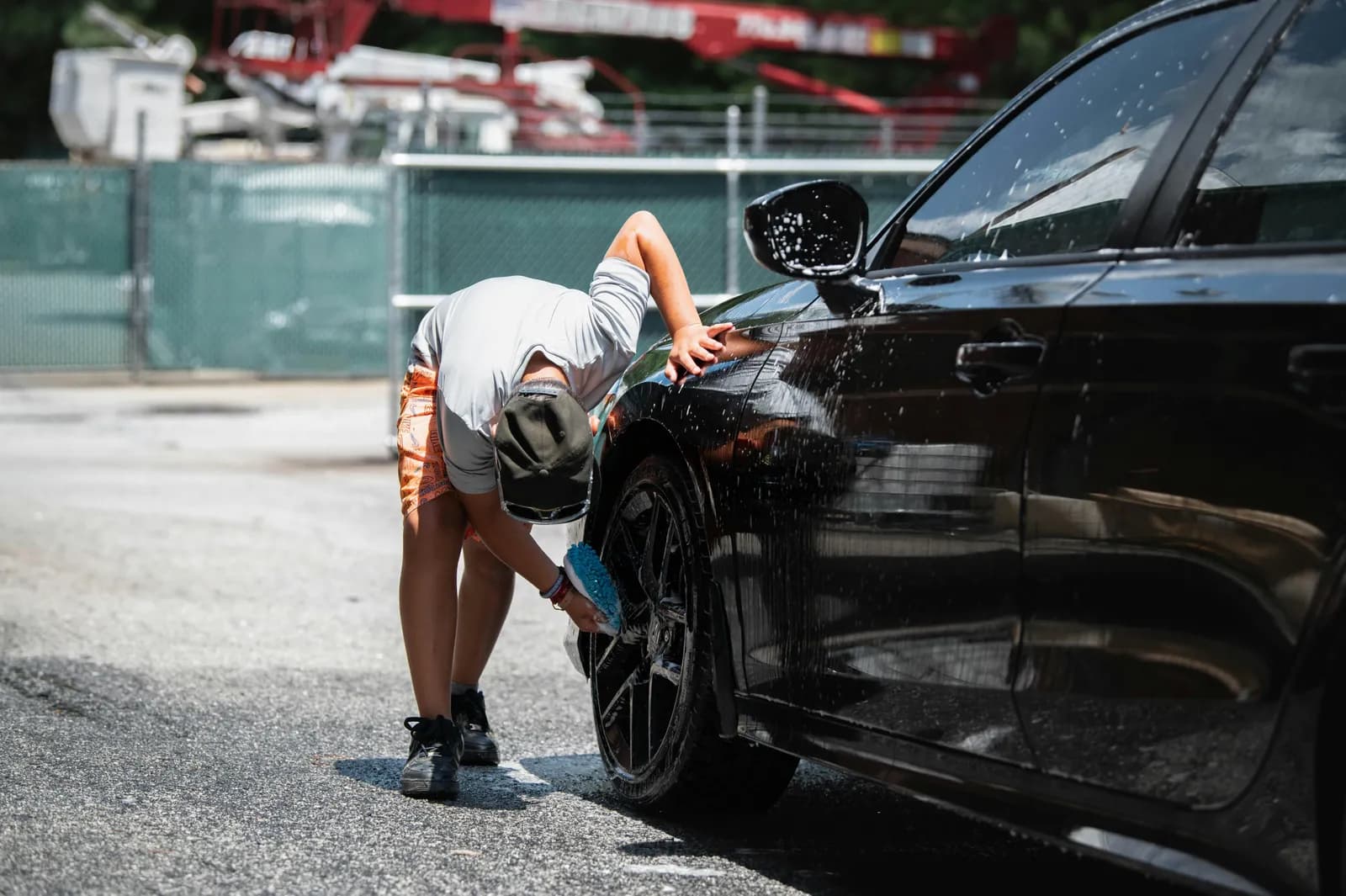
Best Time Of Day To Wash Your Car In Southern California
Early morning (6–9 AM) is the best time to wash your car in Southern California. Cool surface temps prevent water spots, low UV protects soap chemistry, and your wax cures properly. Avoid washing between 11 AM and 4 PM during summer.
May 24, 2026 · 5 min read
Car Care
How Much Does Mobile Car Detailing Cost In Los Angeles?
What sets the price of a mobile car wash or detail in Los Angeles: the package, your vehicle's size, the extras you add, travel and cancellation terms, and whether you book once or monthly. The Rabbit Wash's current prices are on its packages page.
May 24, 2026 · 4 min read
Compare & Decide
How To Choose A Mobile Detailer In Los Angeles (7 Things To Check)
The best mobile detailer in Los Angeles is the one that is insured, uses paint-safe products, brings their own water, has clear pricing, and shows real before/after photos. Here are the seven things to verify before booking anyone.
May 24, 2026 · 5 min read