Compare & Decide · 5 min read
Mobile Vs Traditional Car Wash: Which Is Better For Your Car?
A careful mobile hand wash is kinder to paint, cleans the inside too and saves you the trip. A tunnel wash is faster and cheaper per visit. The honest comparison depends on your vehicle, your schedule and how much you care about long-term paint condition.
The Rabbit Wash Team · Published May 24, 2026 · Updated Sep 21, 2026
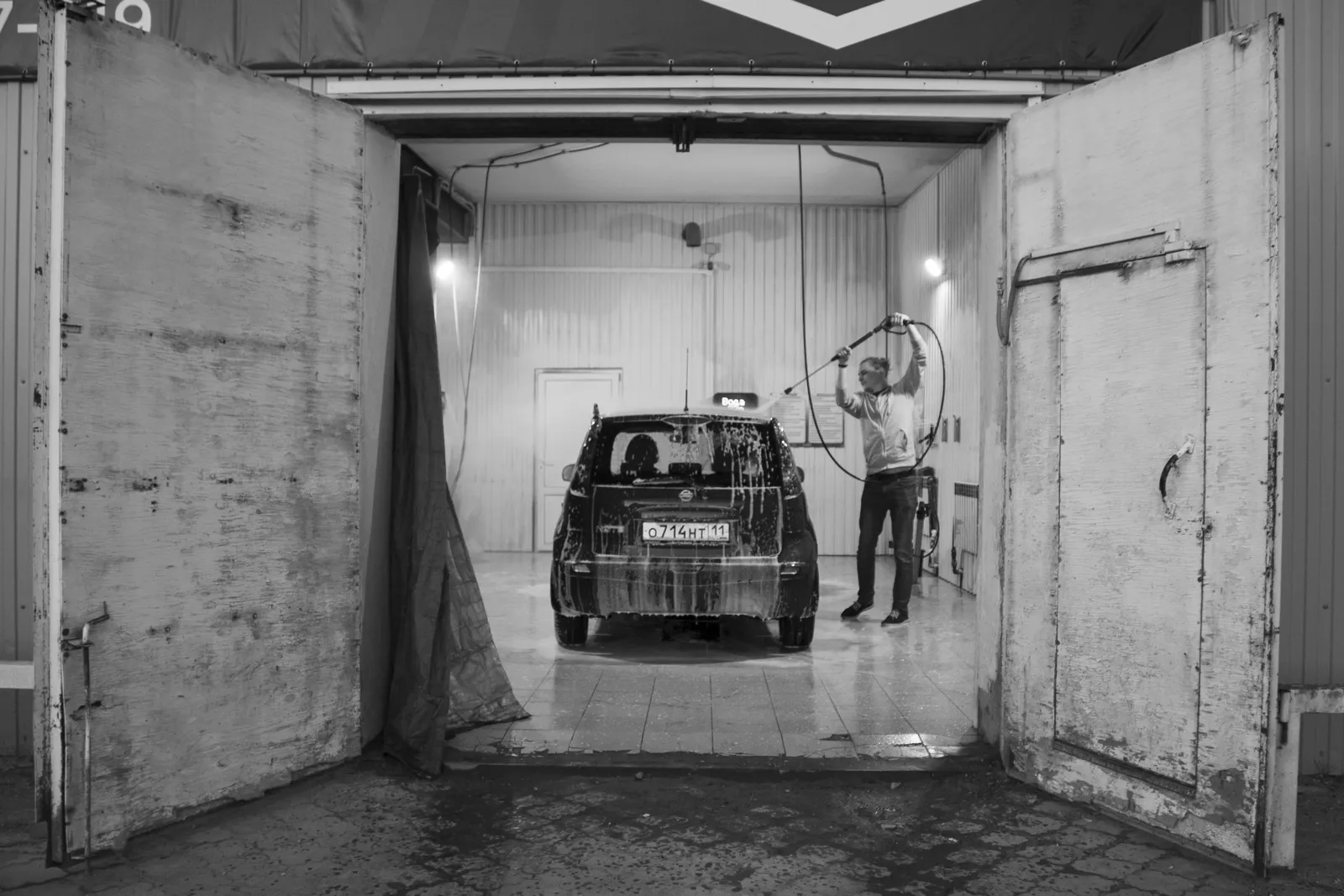
A careful mobile hand wash is better than a drive-through tunnel wash for paint, interior cleaning and your time. A tunnel wash is faster per visit and cheaper. If you plan to keep your car for years, value your Saturdays or drive a dark color, mobile usually wins. For a quick rinse on an older car, a touchless tunnel is fine. Here's the full comparison.
Side-By-Side Comparison
| Factor | Mobile hand wash | Tunnel / drive-through |
|---|---|---|
| Your time | Booking online, then handover | The drive, the line and the wash |
| Price per visit | Higher | Lower |
| Paint | Hand wash with clean microfiber | Shared brushes or cloth strips (except touchless) |
| Interior | Included in most packages | Usually an extra, if offered |
| Where | Your driveway, garage, office lot or curb | The wash bay |
| Best for | Keeping paint and interior in good shape | A quick rinse between proper washes |
Where Mobile Wins
Paint Preservation
This is the biggest gap. Brush and cloth tunnels use material that has touched every vehicle before yours. Whatever sand, grit or brake dust came off the car in front ends up dragged across your clear coat.
The result is a pattern of fine circular scratches called swirl marks, which show as a hazy starburst in direct sun. A careful hand wash with clean microfiber and the two-bucket method avoids creating them.
Time Recovery
A round trip to a tunnel wash in LA means the drive, the line, the wash and the drive home. With a mobile wash, your part is booking online and giving access to the car.
Interior Cleaning
Most tunnel washes don't include real interior cleaning; at best, a quick vacuum is an upsell. Mobile packages usually include the inside. The Rabbit Wash's everyday Wash Rabbit, for example, includes an interior vacuum, dashboard wipe-down and window cleaning — see what each package includes.
Where The Wash Happens
Mobile services come to driveways, garages, office lots and, with permission, apartment buildings. You don't need to be near a wash bay.
Where Tunnel Wins
Speed And Price For Quick Rinses
For a basic exterior rinse, a tunnel wash is quick and cheap. If you just need to clear coastal salt or freeway dust and you're passing a wash anyway, a tunnel is fine.
No Booking
Tunnel washes have no schedule: drive up, wash, leave. Mobile requires booking a time. The Rabbit Wash offers same-day windows when they're available, or any day ahead.
Older Daily Drivers
If you're driving a car until it dies, paint preservation isn't your top concern. A tunnel wash is an acceptable compromise.
What About Touchless Tunnel Washes?
Touchless tunnels — high-pressure water and chemicals, no brushes — split the difference. They don't leave brush swirl marks, but they don't clean as thoroughly either. Bug splatter, bird droppings and bonded dirt usually need some gentle contact.
Touchless is a good middle ground for:
- Quick rinses between proper hand washes.
- Owners who want speed but care about avoiding swirl damage.
- Black, navy or other dark vehicles, where brush damage shows badly.
Cost Over Time
Per visit, a tunnel wash is cheaper. Over a year, three things narrow the gap:
- Monthly plans. Booking the same wash each month costs less per visit; The Rabbit Wash shows the monthly price for each wash package before you pay.
- Mixing the two. A mobile hand wash on a schedule, with touchless tunnel rinses in between, keeps paint in good shape for less than washing by hand every week.
- Avoided paint correction. Swirl marks from brush washes build up, and removing them takes a machine polish.
The Verdict By Use Case
New Vehicle, Keeping It For Years
Mobile. Swirl marks from brush washes build up over the years and only polishing removes them.
Older Daily Driver You'll Replace Soon
Tunnel, touchless or brush. Paint preservation won't change the trade-in value much.
Lease Ending In The Next Few Years
Mobile, or a mix. Swirl marks and interior wear can show up at the lease-return inspection.
Soft-Paint Or High-Value Cars
Mobile. Many owners of cars with soft paint avoid brush tunnels entirely, and touchless tunnels often leave bonded dirt behind.
You Park Outdoors Year-Round
Mobile. Regular washing and protection matter more than convenience here.
Long Freeway Commutes
A mix. A mobile wash or detail on a schedule, plus touchless rinses for bugs and road film in between.
The Bottom Line
The wrong question is "is mobile better than tunnel?" The right question is "what does this vehicle need over the next few years?" For drivers who want to keep their paint and interior in good shape, mobile is worth it. For older cars and quick rinses, a tunnel is fine.
If you want to try mobile, compare the packages or book a wash; the monthly price for a wash package is shown at checkout.
Frequently Asked Questions
Is mobile car wash better than tunnel wash?
For paint, interior cleaning and your time, a careful mobile hand wash usually comes out ahead. A tunnel wash is faster and cheaper per visit, but shared brushes and cloth strips leave swirl marks on clear coat over time.
Do automatic car washes damage your paint?
Brush and cloth-strip tunnel washes create fine circular scratches (swirl marks) on clear coat with regular use; they show most in direct sun and on dark paint. Touchless tunnels avoid the brushes but clean less thoroughly.
Which is cheaper over a year, mobile or tunnel car wash?
Per visit, a tunnel wash is cheaper. A monthly plan brings the per-visit cost of a mobile wash down, and many owners mix the two: a mobile hand wash on a schedule, with touchless tunnel rinses in between.
Related Articles
Compare & Decide
How To Choose A Mobile Detailer In Los Angeles (7 Things To Check)
The best mobile detailer in Los Angeles is the one that is insured, uses paint-safe products, brings their own water, has clear pricing, and shows real before/after photos. Here are the seven things to verify before booking anyone.
May 24, 2026 · 5 min read
Compare & Decide
Is A Mobile Car Wash Worth It In Los Angeles? An Honest Answer
For many LA drivers, yes. You get the drive and the wait back, and a careful hand wash is kinder to paint than brushes. Here's an honest breakdown of when mobile wins and when a tunnel wash is fine.
May 24, 2026 · 5 min read
Compare & Decide
Tesla Detailing In Los Angeles: What's Different And What To Expect
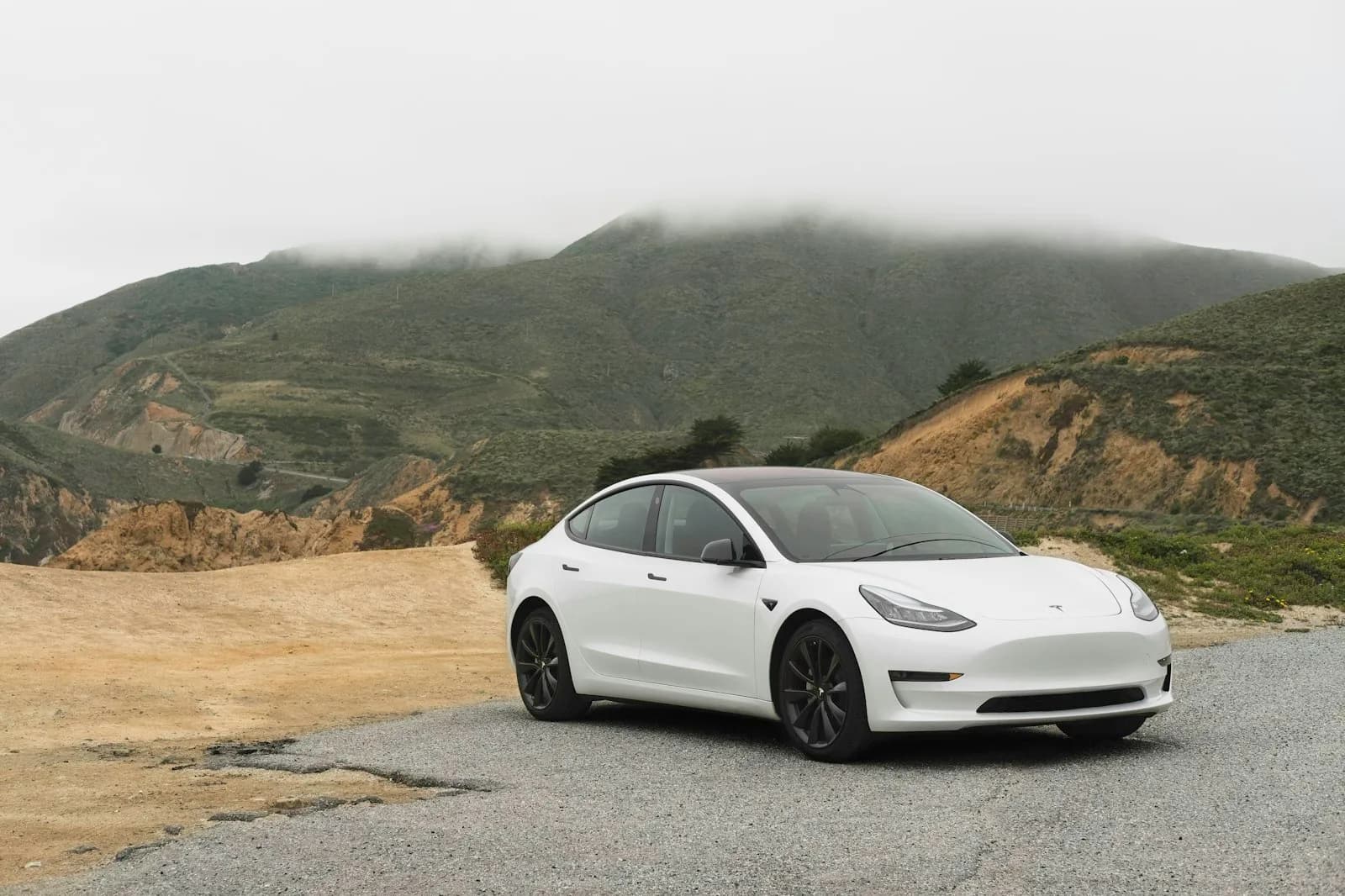
Tesla detailing in LA is different from regular auto detailing because of the soft factory paint, sensitive sensors, large glass roof, and Tesla-specific interior materials. Here's what to ask for and what to avoid.
May 24, 2026 · 7 min read