Compare & Decide · 7 min read
Tesla Detailing In Los Angeles: What's Different And What To Expect
Tesla detailing in LA is different from regular auto detailing because of the soft factory paint, sensitive sensors, large glass roof, and Tesla-specific interior materials. Here's what to ask for and what to avoid.
The Rabbit Wash Team · Published May 24, 2026 · Updated Sep 21, 2026
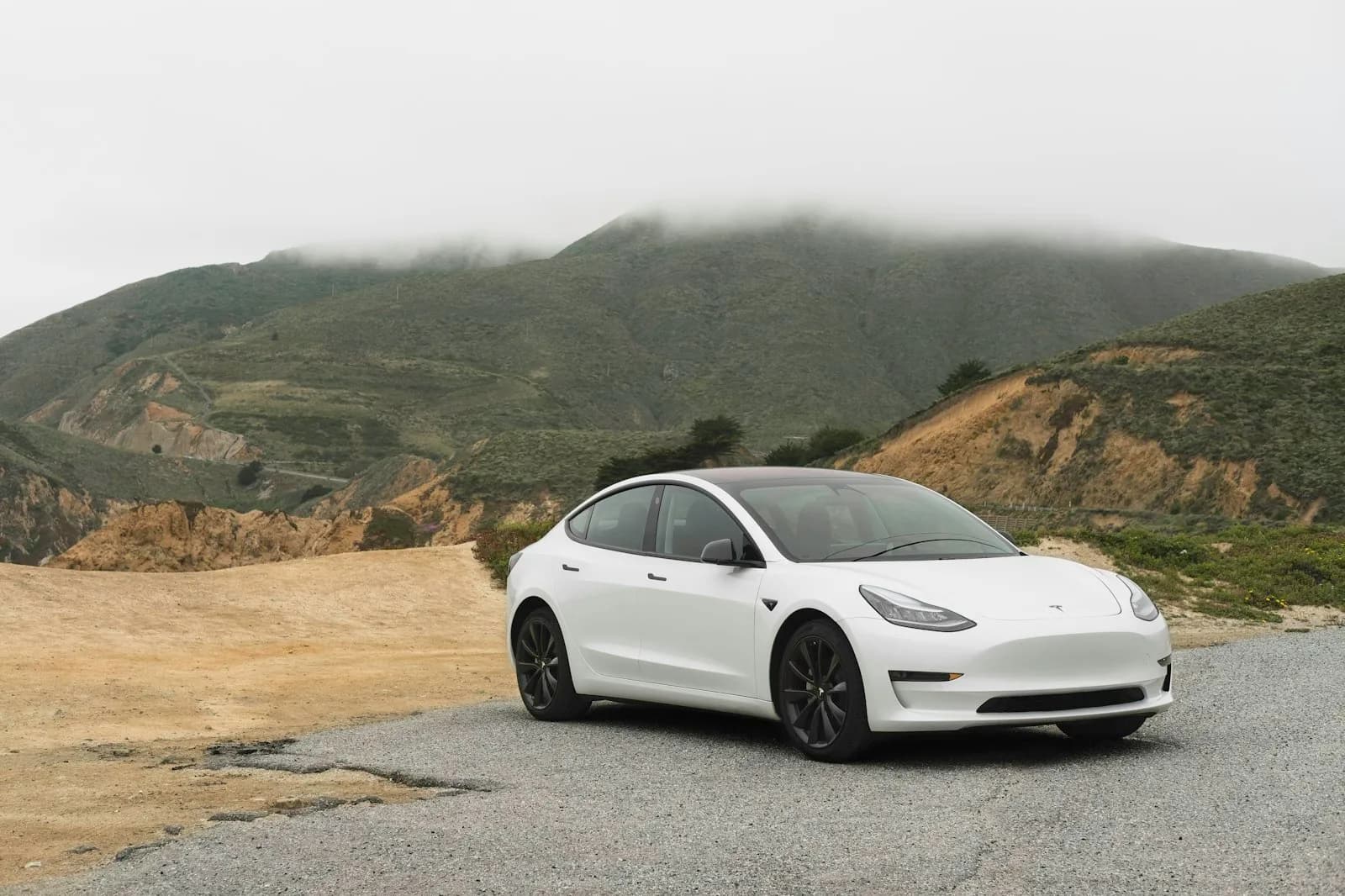
Detailing a Tesla in Los Angeles requires a different approach than a regular car. Tesla's factory clear coat is unusually thin and soft compared to legacy automakers, the glass roof is a dust magnet that needs separate treatment, ultrasonic and camera sensors are sensitive to certain chemicals, and the interior uses synthetic materials that respond differently to standard detailing products. Mobile detailers who haven't worked on Teslas before often make small mistakes that produce visible problems within a year.
This guide explains what to ask for, what to avoid, and how mobile service works for Model S/3/X/Y owners.
Why Tesla Detailing Is Different
The Paint Is Softer Than Legacy Brands
Tesla applies factory clear coat in fewer layers than BMW, Mercedes, or Lexus. The result: visibly softer paint that swirls and chips more easily. Detailers report Tesla paint shows the difference between a careful hand wash and a tunnel wash within months instead of years.
What this means for you:
- Skip tunnel washes entirely. The brushes/cloth strips create visible swirl marks within 10–20 visits.
- Use only pH-neutral shampoo and the two-bucket method.
- Consider PPF on high-impact areas (front bumper, hood, fenders) — Tesla paint chips disproportionately because of the soft layer.
The Glass Roof Needs Separate Treatment
The Model 3, Y, and refreshed S all have a panoramic glass roof. Standard glass cleaner with ammonia damages the tint over time and leaves streaks. Specifically for Teslas:
- Use ammonia-free glass cleaner only.
- Apply with a separate microfiber that hasn't touched paint or chrome (cross-contamination causes streaks).
- Clean inside and outside at the same time, then check from both angles for missed spots — the depth of the roof makes streaks harder to spot.
Sensors And Cameras
Tesla vehicles have:
- 8 exterior cameras
- Multiple ultrasonic sensors (older HW versions)
- The radar (front, on some trims)
None of these tolerate harsh degreasers or solvent-based cleaners. Detailers should clean sensor areas with damp microfiber only — no all-purpose cleaner spray, no degreaser. Wrong products here cause sensor errors that look like wiring problems but trace back to detailing chemistry.
The Interior Is Unusual
Tesla interiors use:
- Vegan leather (synthetic). Not real leather — don't use leather conditioner on it. It will leave a greasy residue. Use pH-neutral interior cleaner only.
- Alcantara-like surfaces on the headliner and some trim. Needs gentle brushing with dedicated cleaner, not all-purpose.
- Open-pore wood on the dashboard. Wax-based dressings clog the pores. Use a wood-specific dressing or skip dressing entirely.
- The 15" touchscreen. Never spray cleaner directly. Use a dry microfiber, or a barely-damp one if there's something sticky.
What A Proper Tesla Mobile Detail Includes
Exterior Wash
Pre-rinse → foam pre-soak → two-bucket hand wash with pH-neutral shampoo → bug + bird-droppings spot treatment → wheel cleaning with acid-free product → final rinse → microfiber dry.
Glass Treatment
Roof, windshield, side and rear windows with ammonia-free cleaner on dedicated microfiber. Inside and outside. The roof is the longest single panel; budget extra time.
Wheel And Tire
Acid-free wheel cleaner (Tesla wheels are anodized — acid stains permanently). Tire cleaning and matte tire dressing (avoid wet-look — looks wrong on a Tesla, plus can sling onto white paint on launch).
Interior
Vacuum, dashboard wipe, vegan leather treatment with appropriate product (not leather conditioner), screen cleaning, alcantara headliner spot-clean if needed, vent dust removal with detail brush.
Optional Add-Ons Commonly Requested For Teslas
- Ceramic coating — a common choice given the soft paint. Adds a long-lasting protective layer.
- PPF on the front-end — bumper, hood, fenders, mirrors, headlights. Protects against rock chips that show badly on Tesla paint.
- Sound dampening film — Model 3 and Y owners frequently combine detail with road-noise reduction work.
Tesla-Specific Mistakes To Avoid
- Power-washing right at sensor housings. Forces water into ultrasonic seals.
- Using leather conditioner on vegan leather seats. Leaves a permanent greasy haze.
- Cleaning the screen with paper towel. Scratches the anti-glare coating.
- Wax on the chrome delete (refresh Model 3/Y). The matte black trim shows fingerprints if waxed. Use a dedicated trim restorer instead.
- Aggressive degreaser on the frunk hinges. Damages the seals over time, leading to water leaks in the frunk.
How Tesla Detailing Is Priced
Most mobile detailers price by vehicle size, not by brand. At The Rabbit Wash, a Tesla is priced like any other car of its size: sedans and small SUVs pay the package price, and large SUVs carry a surcharge shown before you pay. Current prices for washes, ceramic coating and paint protection film are on the packages page.
Recommended Cadence For Tesla Owners In LA
- Hand wash: Every 10–14 days. The soft paint makes consistency matter more than cadence elsewhere.
- Full detail: Every 3–4 months.
- Ceramic coating (if applied): Maintenance wash every 2–3 weeks; follow the coating maker's guidance on reapplication.
- PPF (if applied): Standard wash routine; visual inspection of edges every 6 months.
Mobile Vs Tesla-Specific Shops
LA has a handful of Tesla-focused specialty shops for ceramic and PPF. For routine detailing, mobile is the better fit:
- You don't drive to a shop and lose half a day.
- Your Tesla isn't sitting in a shared lot with other vehicles.
- Routine washes happen at the right cadence because there's no friction.
Booking A Tesla With The Rabbit Wash
Mention your Tesla model and anything specific (vegan leather, matte trim, existing coating or PPF) in your booking notes, so your Rabbit knows before they arrive. Book a wash or compare the packages.
Frequently Asked Questions
Are Teslas hard to detail?
Tesla paint is softer than legacy automakers, the glass roof needs separate treatment, sensors are sensitive to chemicals, and the interior uses synthetic materials. Detailers familiar with Teslas handle this routinely; generalist detailers sometimes make small mistakes.
Should I get ceramic coating on a Tesla?
Tesla paint is soft and easy to swirl, so a ceramic coating is worth considering if you plan to keep the car. It makes the paint easier to wash and adds a protective layer; it is not armor against rock chips — that is what paint protection film is for.
Can I take my Tesla to a tunnel car wash?
Technically yes, but it accelerates swirl-mark damage on Tesla's soft clear coat noticeably faster than on a legacy vehicle. Most Tesla owner communities recommend hand or mobile washes only.
How often should I wash a Tesla in California?
Every 10–14 days for daily-driven Teslas, plus a full detail every 3–4 months. The soft paint shows neglect faster than legacy clear coats, so consistency matters more than absolute cadence.
Related Articles
Compare & Decide
How To Choose A Mobile Detailer In Los Angeles (7 Things To Check)
The best mobile detailer in Los Angeles is the one that is insured, uses paint-safe products, brings their own water, has clear pricing, and shows real before/after photos. Here are the seven things to verify before booking anyone.
May 24, 2026 · 5 min read
Compare & Decide
Is A Mobile Car Wash Worth It In Los Angeles? An Honest Answer
For many LA drivers, yes. You get the drive and the wait back, and a careful hand wash is kinder to paint than brushes. Here's an honest breakdown of when mobile wins and when a tunnel wash is fine.
May 24, 2026 · 5 min read
Compare & Decide
Mobile Vs Traditional Car Wash: Which Is Better For Your Car?
A careful mobile hand wash is kinder to paint, cleans the inside too and saves you the trip. A tunnel wash is faster and cheaper per visit. The honest comparison depends on your vehicle, your schedule and how much you care about long-term paint condition.
May 24, 2026 · 5 min read