Beyond Cars · 5 min read
Aircraft & Private Jet Detailing: What Owners And Operators Need To Know
How aircraft detailing differs from cars and boats, the FAA-aware products and procedures, and what hangar-side service looks like in Van Nuys, SNA, and Long Beach.
The Rabbit Wash Team · Published May 23, 2026 · Updated Sep 21, 2026
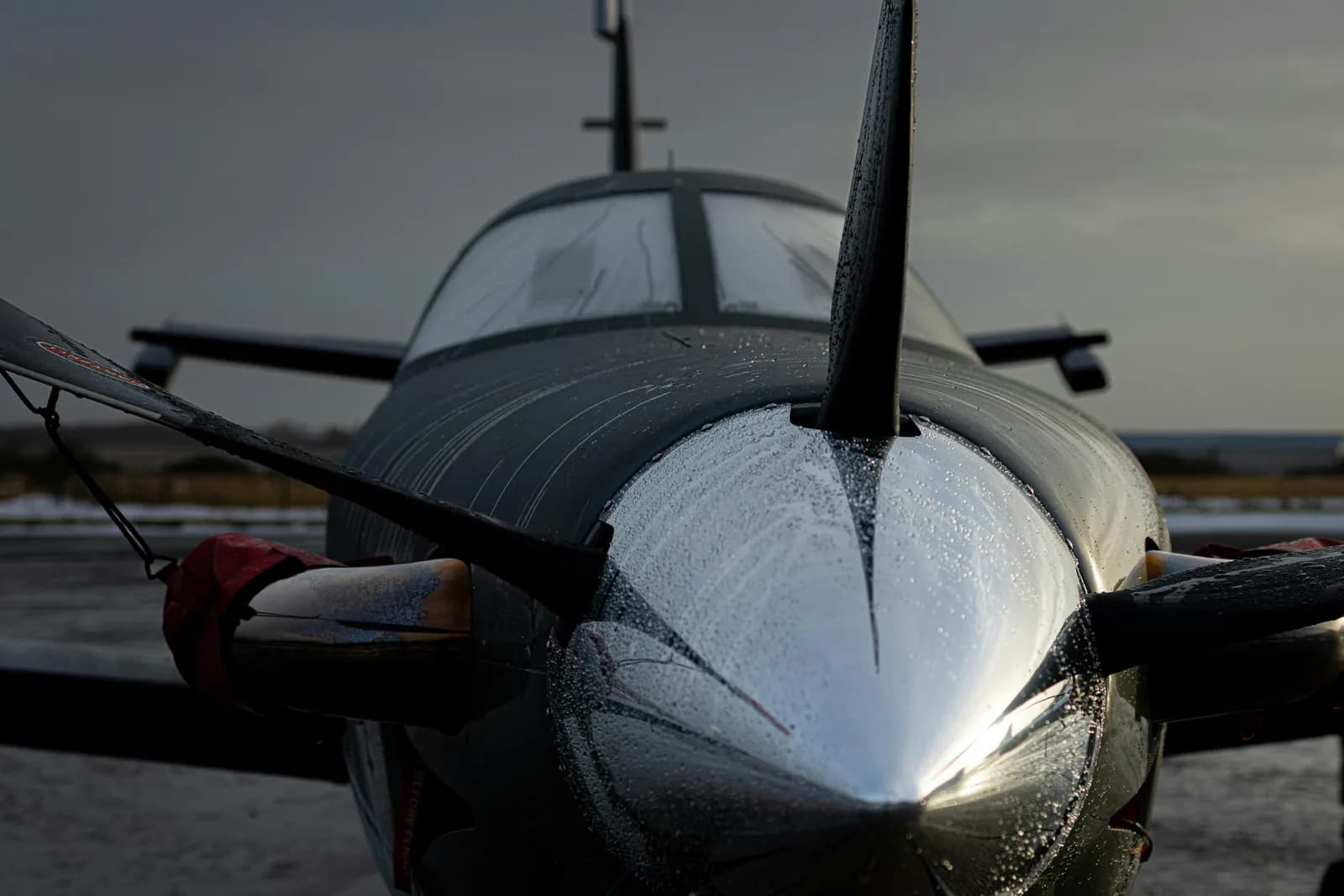
Aircraft detailing is the most regulated, most precise, and most expensive corner of the cleaning industry. The surfaces are aerospace-grade aluminum or painted composite, the cleaners must be aviation-approved, and the wrong product in the wrong place can corrode a panel or cloud a windshield — neither of which is fixable cheaply.
This guide is written for owners, pilots, and FBO operators who want to understand what professional aircraft detailing actually involves, and what mobile hangar-side service should deliver. The Rabbit Wash takes aircraft detailing requests by quote across Los Angeles and Orange County.
Why Aircraft Are Different
FAA-Approved Products Only
Cleaners used on aircraft surfaces must meet specifications like Boeing D6-17487 (cleaning compounds) or AMS 1526 (exterior cleaning). Using a random automotive degreaser can leave residues that corrode aluminum or interfere with paint adhesion at the next refinish.
Aluminum Corrosion Is A Structural Concern
Saltwater coastal hangars, hangar floors with battery acid spills, and even mild cleaning residues left in seams can initiate galvanic corrosion. Inspecting belly panels, wing roots, and trailing edges is part of every proper aircraft wash.
Windshields Are Specialty Surfaces
Aircraft windshields are typically acrylic (PPG or LP Aero) — they scratch easily and have a specific cleaning protocol. Paper towels and ammonia-based glass cleaner cause permanent damage. Aviation-grade windshield cleaner + clean cotton flannel is the only acceptable method.
Leather And Avionics Interiors
Interiors mix high-grade leather, wool carpet, electronics, and sometimes wood veneers — Cessna, Cirrus, and turbine cabins all want different leather chemistries. Wrong product on a cockpit panel can fog plastic instrument lenses.
What A Proper Exterior Aircraft Wash Includes
Pre-Wash Inspection
Walk-around with the owner or PIC. Document any existing paint chips, corrosion spots, or panel damage before washing. This protects both parties.
Dry Wipe-Down
Light dust on a clean aircraft is removed with a treated dust cloth before water touches the airframe. This prevents abrasive particles from being dragged across paint by the wash mitt.
Wet Wash
FAA-approved cleaner diluted to manufacturer specification, applied with soft mitt panel-by-panel. Pre-treated areas like leading edges, anti-collision lights, and pitot tubes get individual attention. Pitot tubes are never sprayed — they get hand-wiped with damp microfiber only.
Belly Cleaning
Often the dirtiest panel. Oil leaks, exhaust soot, and brake dust all collect here. Belly cleaner is solvent-based and aluminum-safe. Always rinsed thoroughly to prevent residue corrosion.
Wheel Wells And Brakes
Brake dust and hydraulic-fluid residue. Aviation degreaser, dwell, rinse. Never spray directly into brake calipers.
Rinse And Dry
Final rinse with deionized water if available (prevents water spots on paint and avionics windows). Hand-dry with cotton flannel or aircraft chamois — never microfiber that has been used on automotive applications (cross-contamination risk).
Polish, Wax, And Ceramic For Aircraft
Aircraft polish is engineered for high-altitude UV resistance and low static buildup. A typical pro service includes:
- Polish every 12–24 months to maintain paint gloss and reduce surface drag.
- Aviation wax or sealant applied after polish, lasting 4–6 months.
- Ceramic coatings formulated for aviation use are starting to appear; they last 2–3 years and reduce wash time significantly. They are not yet universally accepted by all airframe manufacturers — check your maintenance program.
Interior Detailing
- Vacuum carpet and seat cracks with HEPA filter (avionics dust sensitivity)
- Leather seats: cleaner + conditioner appropriate to leather type (cockpit vs cabin)
- Wool carpet shampoo with low-moisture extraction (avoids drying issues)
- Window cleaning with aviation acrylic cleaner only
- Avionics panel: dry microfiber only — no chemicals on screens
- Galley and lav deep clean (FAR Part 25 / Part 23 aircraft)
How Often To Detail An Aircraft
- After every flight in marine air: Dry wipe-down or fresh-water rinse if salt is suspected.
- Monthly: Full exterior wash, belly clean, interior light detail.
- Quarterly: Wax/sealant reapplication, window restoration, leather conditioning.
- Annually: Full polish, interior deep clean, paint inspection.
Tied-down aircraft outdoors in California sun need more frequent attention than hangared birds — UV damages paint and seals faster than airtime does for most GA aircraft.
Where Mobile Aircraft Detailing Happens
Almost always at the hangar or tie-down. The aircraft does not move for cleaning — the detailer comes with self-contained water (FBO hookups available at most airports), and the work happens during a scheduled appointment with the FBO or hangar operator.
Airports close to the areas The Rabbit Wash serves include Van Nuys (VNY), Hollywood Burbank (BUR), Long Beach (LGB), John Wayne / Orange County (SNA), Zamperini Field in Torrance (TOA) and Hawthorne (HHR). Put your airport in the quote request; access depends on the FBO or hangar operator.
How Aircraft Detailing Is Priced
Aircraft pricing varies more than any other category because surface area, paint condition, interior complexity and airport access differ so much. A single-engine piston and a midsize jet are different jobs, and a polish or full detail is a much bigger job than a wash. That is why The Rabbit Wash prices every aircraft by quote.
What FBOs And Flight Departments Want From Detail Service
- A Certificate of Insurance (COI) that meets the FBO's requirements.
- Clear rules on who is allowed airside.
- Aviation-approved products and procedures.
- Scheduled service windows (between flights, not interrupting ops).
- Before-and-after photo documentation.
Ask any provider about each of these before the job, and check your FBO's vendor rules.
Request An Aircraft Quote
Aircraft work is quoted individually. Request an aircraft detailing quote with the make and model, the airport, whether it's in a hangar or on a tie-down, and whether you want the exterior, interior or both. Photos help us price it.
Frequently Asked Questions
How much does aircraft detailing cost?
It varies more than any other category, because size, paint condition, interior complexity and airport access differ so much. The Rabbit Wash prices aircraft work by quote: send the make and model, the airport, and whether you want the exterior, interior or both.
Can you ceramic coat an aircraft?
Aviation-formulated ceramic coatings exist and last 2–3 years. They reduce wash time significantly but are not yet universally accepted by all airframe manufacturers — check your maintenance program before applying.
How often should a private jet be detailed?
Monthly full exterior wash with interior light detail, quarterly wax/sealant reapplication, and an annual full polish with interior deep clean. Tied-down aircraft need more frequent service than hangared aircraft.
Do you detail aircraft at FBOs and hangars?
Aircraft detailing is available by quote at the hangar or tie-down. Tell us the airport and where the aircraft is parked; FBOs set their own rules for outside vendors, so we confirm access as part of the quote.
Related Articles
Beyond Cars
Mobile Boat Detailing In Marina Del Rey, Newport, & Long Beach
What professional boat detailing covers, how often your hull and gelcoat need attention, and what mobile dockside service costs on the Southern California coast.
May 23, 2026 · 5 min read
Beyond Cars
Mobile RV Detailing: The Complete Guide For Class A, B, And C Owners
Why RVs need a completely different detailing approach, the roof and oxidation work most owners skip, and what mobile service should actually cost.
May 23, 2026 · 5 min read
Beyond Cars
Motorcycle Detailing: How To Clean A Bike Without Damaging Chrome Or Paint
A pro detailer’s sequence for washing and detailing motorcycles — chrome, leather, exhaust, and the cleaning mistakes that ruin finishes faster than riding does.
May 23, 2026 · 5 min read